
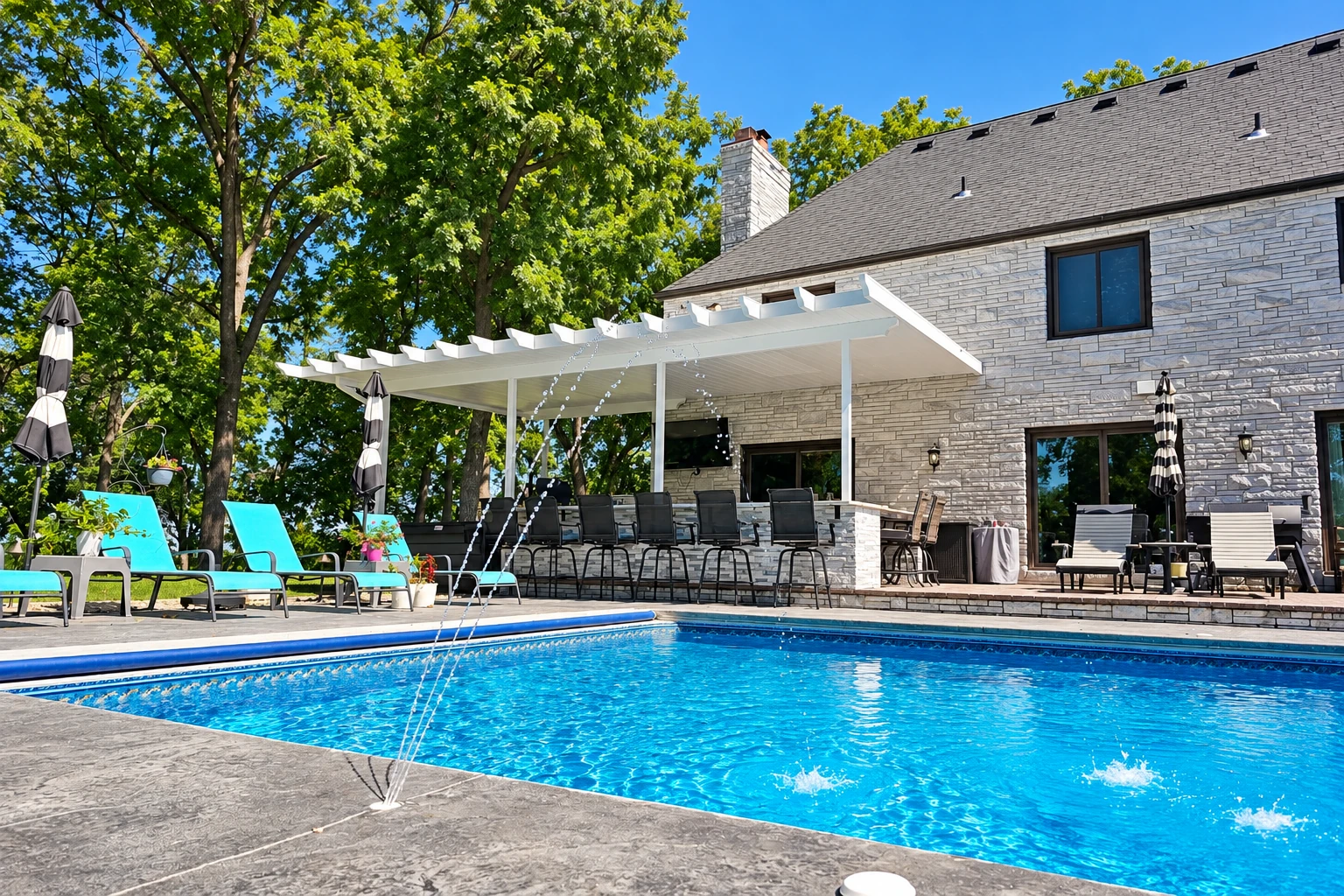
Concrete footings in Alexandria VA - support that sits on firm soil below the frost line
Planning a deck, porch, shed or addition and not sure what it needs underneath? We dig to depth and check the soil before we pour.
Get your footings looked at before the pour
Call (571) 760-4255, any day of the week until 11 PM, or send the form with your project type, rough size and address so I show up with the right questions.
What does a footing job involve in Alexandria?
Concrete footings in Alexandria are the buried concrete that holds up a deck, porch, shed, addition or house and spreads its weight into the soil underneath. We dig them, check the ground under them and pour them so whatever you build on top stays put.
Most people call us when they're planning a deck, porch, shed or addition, or when an old post has started to sink, and the first thing I want to know is what the footings have to carry and what the ground is like down there. The price turns on how many footings you need, how deep they go, how easy the digging is and whether old concrete or tight access is in the way. The schedule turns on the permit, the weather on pour day and what we find once the holes are open. If you're starting a whole house, that's our foundation installation work, and either way your written estimate spells out what's included so you can line it up against other bids.
Why Alexandria homeowners call J&K Alexandria Concrete Company for footings
The owner writes your estimate
I come out to look at the job and write the estimate myself. I framed houses for years before I switched to concrete, so I know what a footing has to carry.
Licensed, insured, our own crew
We're licensed and fully insured, and our own crew does the forming, pouring and finishing. The people in your yard work for us, so you know who answers for what goes in the ground.
Based in Alexandria, working nearby
We're based in Alexandria and work across the cities around it in Northern Virginia and nearby Maryland. We've been in business since 2017, and if your city isn't listed, just ask us.
On footings, the thing that matters most is the soil at the bottom of the hole, so I'd rather see yours before anybody talks about a pour date. Book an estimate and I'll come out.
How we build concrete footings
We start by laying out where each footing goes and getting buried lines marked through 811, since footings have to stay clear of utility lines, septic systems and meters. Then we dig each hole to the depth the plans call for and take a hard look at the ground at the bottom before any concrete goes in, because nobody sees a footing again once the deck or wall goes up. If the bottom is soft, wet or full of old fill, we stop and talk it through with you instead of pouring over it. Once the ground checks out, our crew sets any forms the job needs, pours and keeps the fresh concrete protected while it cures, the slow hardening that gives it strength. If something has to give on budget, I'd rather it be the finish work up top than the time spent on the holes, because you can replace a railing but you can't easily redo what's under it.
Footing work often runs into other jobs. When an old patio or slab sits right where a footing has to go, we handle the concrete cutting to open it up cleanly, and when part of the house has already settled on footings that weren't done right, foundation raising may be a better fix than adding new ones.
Poured concrete footings
A poured concrete pier is the usual choice under a standard home deck, and wider poured footings carry the walls of sheds, porches and additions. When the site cooperates, they're the most common and least costly way to reach firm soil.
Helical piles for hard sites
Helical piles are steel shafts screwed into the ground, and they're usually the premium pick for poor soil, tight access or a job where speed and minimal digging matter most. They cost more than concrete, so they make sense only when the site calls for them.
How do you know your footings aren't doing their job?
A deck dipping at one post
One corner of the deck sits lower than the rest, or a post has dropped. Usually the footing under it settled, and the longer it goes, the more the framing above twists.
Posts resting on surface blocks
Precast blocks sitting on top of the dirt show up under a lot of older decks and sheds. They move with the ground, so each winter and dry spell adds a little more lean.
A porch pulling from the house
A gap opening where the porch or stoop meets the house usually means the porch footings are moving and the house isn't. The wider it gets, the more water finds its way behind it.
A footing tipping or crumbling
Concrete at the base of a post that's cracked, crumbling or leaning out of the ground often never reached firm soil. Once it tips, the post follows, and the fix gets bigger.
What happens after you call about footings?
I come out and ask questions
You call or send the form, and I come out to see the site and ask what the footings need to hold up. You get a written estimate listing what's included.
Sort the paperwork, then pour
We find out which office covers your address and what paperwork the job needs before we set a pour date. Then our own crew does the digging, forming and pouring.
Walk the finished job together
When the footings are in, I walk the job with you and show you what went in the ground. That's your last good look before framing covers them.
Footing questions from Alexandria homeowners
Here are straight answers on depth, cost, cold weather and the city's soil checks. If your job has a twist, like a slope or an old slab in the way, ask me about it.
How deep do concrete footings need to be in Alexandria VA?
Deck footings in Alexandria usually need to go at least 24 inches down, because the city lists a 24-inch frost line, the depth winter ground can freeze to. Deck footings have to rest on undisturbed soil, ground nobody has dug up or filled, at least 12 inches down or below the frost line, whichever is deeper, so here the frost line usually sets it. Additions and other buildings go to the depth their plans call for.
How much do concrete footings cost?
Installed concrete footings usually cost about $700 to $1,500 per footing across the US, which is the going rate in the market, not a quote from us. Sloped sites and specialized footings can push the price per footing well above that range. Your own number comes from the written estimate, which spells out what's included, like removal and haul-away.
What is the best way to pour concrete footings in cold weather?
Pour only when the concrete can be kept from freezing for about two days afterward. Fresh concrete freezes below about 25°F, and frozen concrete can lose more than half its potential strength, which is the last thing you want in something holding up a house. In the colder months we plan the pour date around that.
Will the City of Alexandria check the soil under my footings?
Yes, for decks and porches of any size and for sheds or detached garages over 200 square feet, the city's soil policy has the building inspector check for problem soils at the foundation inspections and decide what has to be done about them. For an addition, the city accepts either a soil report signed and sealed by a Virginia-licensed design professional or the state code's minimum soil bearing value, with a licensed design professional checking the soil before footings go in. The Department of Code Administration has the current soil policy.
What causes footings to sink or heave in clay soil?
Clay that shrinks in dry weather is a common cause. A Fairfax County guide says settlement and heave of footings is the most common problem in its Marine Clay-Marumsco areas, because the clay shrinks in dry spells, especially summer, and leaves a gap under footings so they lose support. It's one more reason we look at the bottom of every hole before the pour.
What should I check before hiring a contractor for footings in Alexandria?
Check that the contractor's Virginia license class fits the size of your job, and ask who handles the permit. Under Virginia law, Class C contractors handle a single project over $1,000 but under $30,000, and Class B handles $30,000 or more but under $150,000. Permit applications go to the city's Permit Center, online only through APEX, and we take care of the permit work for our part of the job and tell you up front if anything needs your signature.
Get a footing estimate at your property
Tell us the project type, rough size and address, and we'll reply within one business day to set a time for me to come out. The estimate at your property is free, written down and comes with no obligation.
What footing work looks like
Other work that comes up with footings
Foundation raising
When a corner of the house or an attached porch has already dropped, lifting it back toward level can be the right fix before new support goes in.
Learn moreConcrete cutting
An old slab, patio or walk sitting right where a new footing belongs has to be opened cleanly, so the rest of the concrete stays sound.
Learn more